Symboler har länge använts för att förmedla kraftfulla budskap, från fladdret från ett band i vinden till den subtila glimten av en emaljstift på en kappa. En sådan varaktig symbol är det gula bandet – en enkel färgremsa som bär på en historia rik på mening. Gula bandnålar, små men mäktiga i sin betydelse, bärs över hela världen som markörer för hopp, enhet och motståndskraft. De påminner oss om styrkan i att vänta, kraften i förlåtelse och den varaktiga mänskliga andan som håller fast vid optimism även i motgångar. Oavsett om det är knutet runt ett träd eller fäst i ett slag, är det gula bandet en visuell stenografi för otaliga orsaker, känslor och berättelser.
Men vad gör det gula bandet så speciellt? Vad är historien bakom denna kraftfulla symbol, och varför bär människor gula bandnålar än i dag? Låt oss dyka djupare in i världen av gula band och avslöja de många betydelseskikten bakom detta ikoniska emblem.
Historien om det gula bandet
Ursprunget till det gula bandet kan spåras tillbaka till gamla traditioner, folklore och sånger, som var och en bidrar till sin rika symbolik. I USA fick det gula bandet först utbredd erkännande under 1800-talet. Under krigstid, särskilt under det amerikanska inbördeskriget, skulle kvinnor bära gula band eller näsdukar för att symbolisera deras hopp och lojalitet till soldater som kämpade på slagfältet. Det var ett tyst men kraftfullt sätt att säga: "Vi väntar på dig och vi hoppas att du kommer tillbaka säkert."
Snabbspola fram till 1900-talet, och det gula bandet blev återigen framträdande. Den här gången var det tack vare en låt som fångade nationens hjärtan: "Tie a Yellow Ribbon Round the Ole Oak Tree", som gjordes känd på 1970-talet av Tony Orlando och Dawn. Låten berättar den gripande historien om en man som efter att ha släppts från fängelset skriver till sin älskare och ber henne att knyta ett gult band runt den gamla eken framför hennes hem om hon fortfarande vill ha honom tillbaka i sitt liv. När han återvänder hem med bussen, i väntan på hennes svar, ser han inte ett utan hundratals gula band fladdra i vinden, vilket betyder att han inte bara är förlåten utan djupt eftersökt. Låten blev en kulturell prövosten och förvandlade det gula bandet till en universell symbol för längtan, förlåtelse och återförening.
Sedan dess har det gula bandet antagits för olika orsaker, framför allt som en symbol för stöd till trupper under krigstider. Under Gulfkriget i början av 1990-talet kunde gula band ses knutna till träd, bilantenner och visas i hem över hela USA, vilket symboliserar solidaritet med soldater utplacerade utomlands och hoppet om att de ska återvända säkert.
Symboliken bakom det gula bandet
Det gula bandets skönhet ligger i dess mångsidighet. Medan dess ursprungliga betydelse var djupt rotad i samband med krig och soldater som återvände hem, har dess betydelse utvecklats. Idag representerar gula bandnålar en mängd orsaker, var och en genomsyrad av sin unika betydelse.
1. En symbol för hopp och säker återkomst
Den mest varaktiga och erkända betydelsen av det gula bandet är hoppet om en säker återkomst av nära och kära. Oavsett om de är soldater vid frontlinjen eller civila separerade från sina familjer är det gula bandet ett synligt uttryck för längtan och förväntan. För familjer med släktingar inom militären erbjuder gula band ett sätt att visa sitt stöd och solidaritet, även om de inte kan vara med sina nära och kära fysiskt. I detta sammanhang tjänar gula bandnålar som en ständig påminnelse om vikten av hemkomst, säkerhet och familjeenhet.
Att bära ett gult bandnål eller knyta ett band runt ett träd eller en stolpe blir en gemensam gest – en som överskrider gränser och talar till den universella upplevelsen av att vänta på att någon vi älskar ska komma tillbaka säkert. Det är en ledstjärna för optimism i en värld som ofta kan kännas osäker och kaotisk.
2. En symbol för förlåtelse och återlösning
Tack vare arvet från låten "Tie a Yellow Ribbon" har det gula bandet också kommit att representera förlåtelse, andra chanser och inlösen. I sången möts mannens återkomst från fängelset med överväldigande acceptans och kärlek, symboliserat av de gula banden knutna runt trädet. Denna föreställning om förlåtelse har förts över till den bredare symboliken med det gula bandet, som ofta används för att beteckna stöd för individer som försöker återintegrera sig i samhället efter att ha avtjänat tid i fängelse.
Att bära en gul bandnål kan vara ett kraftfullt uttalande om tro på kraften i förlösning, tanken att alla förtjänar en andra chans och att det förflutna inte definierar framtiden. För många fungerar det gula bandet som en påminnelse om att förlåtelse inte bara är möjlig utan också avgörande för läkning och tillväxt.
3. En symbol för medvetenhet och solidaritet
Med tiden har det gula bandet antagits av olika sociala orsaker och rörelser som en symbol för medvetenhet och solidaritet. Det används nu ofta för att representera orsaker som förebyggande av självmord, cancermedvetenhet och stöd till försvunna personer. Gula bandnålar bärs ofta vid välgörenhetsevenemang, insamlingar och minnesmärken för att öka medvetenheten om dessa viktiga frågor och för att visa solidaritet med de drabbade.
Flexibiliteten i det gula bandets betydelse gör att det enkelt kan anpassas till olika orsaker samtidigt som det behåller sitt kärnbudskap om hopp och motståndskraft. Den fungerar som en förenande symbol för individer och samhällen som arbetar för att öka medvetenheten, erbjuda stöd och inspirera till handling.
Gula bandnålar: mer än bara tillbehör
Gula bandnålar är mer än bara dekorativa tillbehör – de är bärbara symboler som har djup känslomässig betydelse. Oavsett om de bärs på en jacka, skjorta eller väska, fungerar dessa nålar som ständiga påminnelser om orsakerna och värderingarna de representerar. Den enkla handlingen att fästa ett gult band på sina kläder kan väcka konversationer, öka medvetenheten och främja en känsla av koppling till andra som delar samma sak eller erfarenhet.
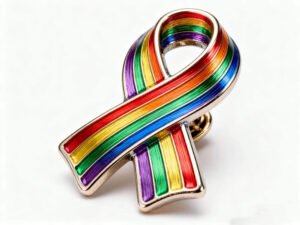
Designen på gula bandnålar varierar stort, från minimalistiska emaljstift med traditionellt bandutskärning till mer utarbetade versioner med extra detaljer och utsmyckningar. Många organisationer producerar gula bandnålar specifikt för insamlingsändamål, med intäkter som går till att stödja veteraner, cancerforskning eller andra välgörande ändamål. På så sätt blir handlingen att bära en gul bandnål inte bara ett personligt uttalande utan också ett bidrag till en större sak.
Den kulturella inverkan av gula band
Under åren har gula band fått sitt eget liv och blivit djupt rotade i populärkulturen och det allmänna medvetandet. De har dykt upp i filmer, tv-program, litteratur och musik, och varje gång förstärkt de kraftfulla känslor och berättelser de representerar. I tider av nationell kris eller krig återuppstår ofta gula band som symboler för enhet och kollektivt hopp, och samlar människor till stöd för en gemensam sak.
Ett av de mest slående exemplen på detta är användningen av gula band under krigstider. Från Vietnamkriget till Gulfkriget och därefter har gula band knutits till träd, stolpar och staket som synliga tecken på stöd till soldater och deras familjer. Den enkla handlingen att knyta ett band har blivit ett sätt för människor att uttrycka sina känslor, även om de känner sig maktlösa att förändra resultatet av situationen.
Varför gul?
Så varför gult? Färgen gul har länge förknippats med optimism, lycka och värme. Det är en färg som sticker ut, fångar ögat och drar till sig uppmärksamhet. I samband med det gula bandet fungerar färgen som en symbol för hopp, som signalerar att bättre dagar väntar. Det är också en säkerhetsfärg, som ofta används i varningsskyltar och varningssignaler, som knyter an till det gula bandets koppling till skydd och säker retur.
I många kulturer är gult också kopplat till idén om förnyelse och nystart, vilket gör det till ett passande val för en symbol som representerar andra chanser, försoning och hoppet om en nystart. Oavsett om det bärs som en nål eller knyts runt ett träd, står det gula bandets ljusa och glada färg i kontrast till de ofta dystra känslor det representerar, vilket fungerar som en påminnelse om att hopp och optimism kan existera även i de mörkaste tiderna.
Slutsats: The Enduring Power of the Yellow Ribbon
Det gula bandet, i alla dess former, förblir en symbol för hopp, motståndskraft och enhet. Oavsett om det bärs som en nål, knyts runt ett träd eller visas i ett fönster, bär det med sig ett kraftfullt budskap: vi väntar, vi är hoppfulla och vi tror på möjligheten till återförening och förlossning. Under årens lopp har det gula bandet kommit att representera så mycket mer än dess ursprungliga betydelse – det är nu en universell symbol för solidaritet med de som saknas, de som kämpar och de som söker efter en andra chans.
I dagens värld, där det kan vara lätt att känna sig frånkopplad eller splittrad, påminner det gula bandet oss om vikten av att komma samman, stödja varandra och hålla fast vid hoppet även när framtiden känns osäker. Gula bandnålar, små men betydelsefulla, gör att vi kan bära dessa meddelanden med oss vart vi än går, vilket gör världen bara lite ljusare för varje band vi bär.
Så, nästa gång du ser en gul bandnål, vet att det är mer än bara ett smycke. Det är ett uttalande, en symbol och ett bevis på den bestående mänskliga anden – en som vägrar att ge upp, även när oddsen är emot oss.